November 24, 2026
As parents, ensuring the dental health of our children can be a challenging task. One approach to easing this challenge is through sedation dentistry. This article explores the significant reasons for considering sedation dentistry for children, addressing common questions and misunderstandings to offer better insight into this helpful option.
What is Sedation Dentistry for Children?
Definition and Overview
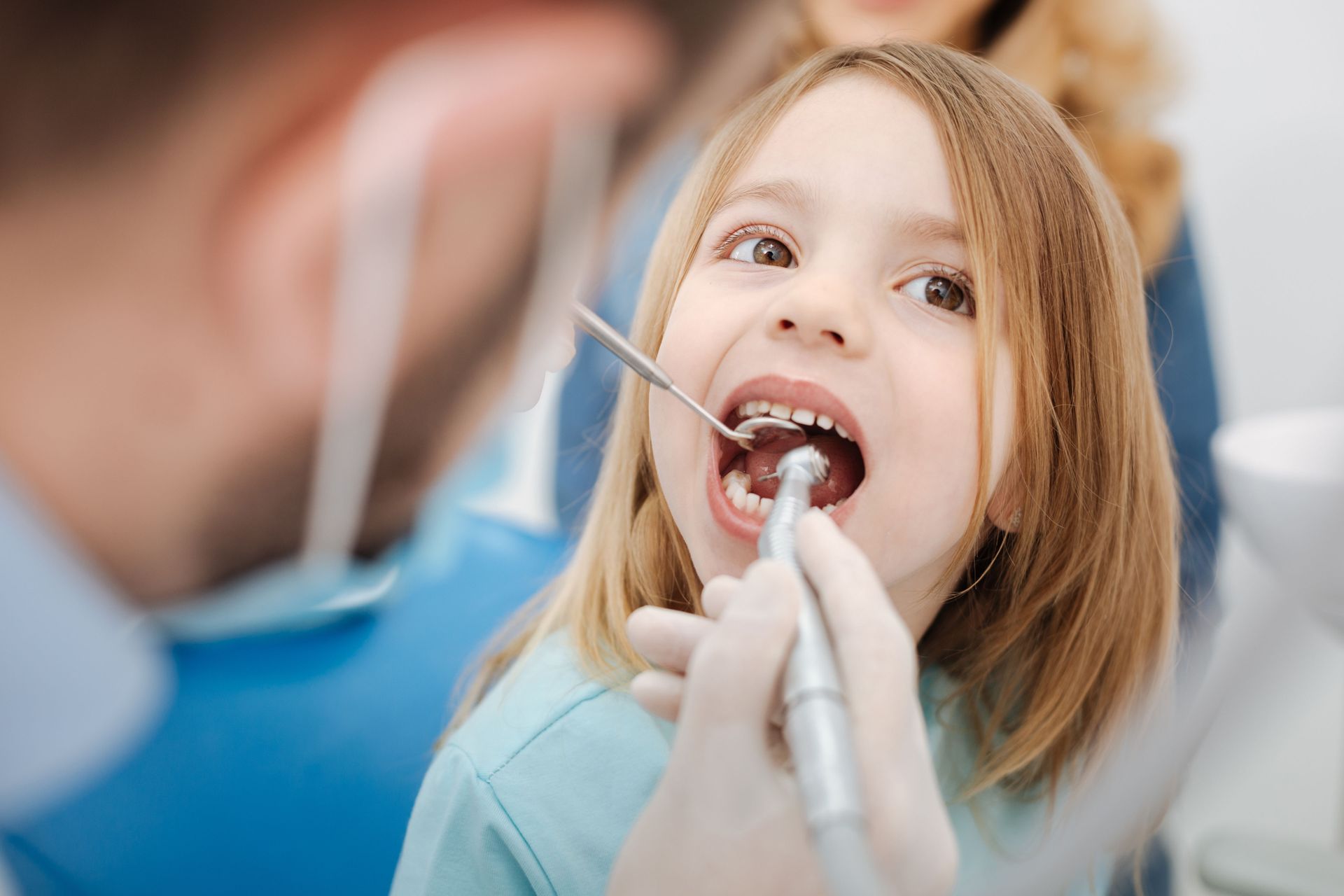
Sedation dentistry for children is a practice that aims to provide a stress-free dental experience for young patients. It involves using medications to help children relax during dental treatments, making procedures not only bearable but also successful. This is especially beneficial for children who face anxiety or require extensive dental work.
Types of Sedation Used in Pediatric Dentistry
Various types of sedation methods are utilized in pediatric dentistry, tailored to the needs of each child. These include inhaled minimal sedation (using laughing gas), oral sedation involving pills or liquids, IV sedation through intravenous methods, and general anesthesia for more profound sedation needs. Each method serves a specific purpose and is chosen based on the individual requirements of the child and the procedure.
When Is Sedation Necessary?
While not every dental appointment requires sedation, its necessity arises in specific circumstances. Children with severe dental anxiety, those with special needs, or young ones requiring lengthy procedures often benefit from sedation. It allows the dental team to perform complex procedures with minimal stress on the child, ensuring high-quality care.
Benefits of Sedation for Kids
The benefits of sedation dentistry for children are numerous. It ensures that dental procedures are completed with minimal distress, reduces the chances of dental trauma, and allows children to develop a more positive relationship with dental care. This can lead to improved oral hygiene and a greater willingness to attend future appointments.
Is Sedation Dentistry Safe for Children?
Safety Standards and Regulations
Safety is a primary concern for parents considering sedation dentistry for their children. Fortunately, strict safety standards and regulations govern its practice. Pediatric dentists undergo rigorous training to administer sedation safely, and continuous monitoring of vital signs is conducted during procedures to ensure the child's safety throughout.
Common Risks and How They're Managed
While sedation dentistry boasts numerous benefits, it's important to acknowledge and manage potential risks. Common risks include nausea and prolonged sedation effects, but these are usually temporary and well-managed by trained professionals. Each child undergoes a thorough pre-assessment to tailor and mitigate risks effectively.
Role of the Dental Team in Ensuring Safety
The dental team's role is pivotal in maintaining the highest level of safety during sedation dentistry procedures. Experienced professionals collaborate to monitor the child's response, using advanced tools and techniques to adjust sedation levels as needed. This team effort ensures a secure and controlled environment for the young patient.
Parental Precautions and Preparations
In addition to the dental team's efforts, parental preparation plays a crucial role in ensuring safety and comfort. Discussing concerns with the dental office, following pre-procedural instructions, and understanding aftercare requirements are vital steps parents can take to ensure a safe experience for their child.
How Does Sedation Help Anxious Children?
Understanding Dental Anxiety in Kids
Dental anxiety is a common issue among children, stemming from fear of pain, unfamiliar environments, or prior negative experiences. Addressing this anxiety is crucial for successful treatment. Sedation dentistry for children serves as a compassionate approach to help these young patients overcome their fears.
How Sedation Alleviates Fear
Sedation helps by calming the child, reducing physiological responses to stress, and making the dental environment feel less intimidating. It allows children to remain relaxed and cooperative, without the trepidation commonly associated with dental visits, facilitating a more pleasant experience.
Comparing Sedation Levels and Outcomes
Sedation levels range from minimal, where a child is awake but relaxed, to deep sedation or general anesthesia, where the child sleeps throughout the procedure. The choice of sedation level depends on the child's needs and the complexity of the procedure, impacting outcomes positively by ensuring effective and efficient dental care.
Testimonials and Success Stories
Numerous testimonials from parents and success stories underscore the positive outcomes of sedation dentistry for children. Many parents report reduced dental anxiety in their children and successful treatment completion, highlighting the profound impact of this approach on children’s dental health and overall wellbeing.
What Are the Different Types of Sedation Available?
Inhaled Minimal Sedation (Laughing Gas)
Laughing gas, or nitrous oxide, is a popular form of minimal sedation. It’s administered through a small mask placed over the child's nose, providing relaxation without loss of consciousness. It wears off quickly, allowing children to resume their day with little interruption.
Oral Sedation: Pills and Liquids
Oral sedation involves administering a sedative in pill or liquid form an hour before the procedure. This method helps in calming the child, offering a moderate level of sedation that ensures cooperation during the dental procedure. Its effects are more profound than those of inhaled sedation.
IV Sedation: Intravenous Methods
IV sedation is administered directly into the bloodstream, offering quick and deep sedation. It allows the dentist to meticulously control sedation levels, proving highly effective for complicated procedures or in cases of severe anxiety. It requires thorough monitoring, and the child needs to rest post-procedure.
General Anesthesia and Deep Sedation
For more extensive dental work, general anesthesia or deep sedation may be required. Administered in a hospital setting, it's overseen by an anesthesiologist. While more involved, it ensures that comprehensive treatments can be performed while the child is fully asleep, avoiding pain and distress.
How Do I Prepare My Child for a Sedation Dentistry Appointment?
Before the Appointment: Preparing Your Child
Preparation starts with educating your child about what to expect. Use simple language to describe the process positively, avoiding any hints of fear. Discuss any doubts with the pediatric dentist who can offer guidance on preparing your child mentally for the appointment. Scheduling dental visits when the child is well-rested can also improve outcomes.
Day of the Appointment: What to Expect
On appointment day, ensure your child follows any fasting instructions if applicable. Bring comfort items like a favorite toy, and arrive early to allow them to adjust. The dental team will guide you through the process, ensuring your child is monitored and comfortable throughout.
Aftercare: Recovery at Home
Post-sedation, your child might feel groggy or disoriented. Ensure a quiet, comfortable recovery environment and monitor for any unusual symptoms. Provide soft foods, encourage hydration, and heed any specific aftercare instructions provided by the dentist to aid a smooth recovery.
Follow-Up Visits: Ensuring Dental Health
Regular follow-up visits form a critical component of ongoing dental health. These allow your pediatric dentist to monitor recovery, address any concerns, and plan future appointments. This proactive approach supports healthy dental habits and ensures continued overall oral health.
Sedation dentistry offers numerous benefits in managing children's dental health, particularly for those who experience anxiety or require extensive procedures. By understanding the various aspects of sedation dentistry for children, from safety to preparation, parents can make informed decisions that prioritize their child's wellbeing and comfort, ultimately leading to healthier smiles for years to come. According to IBISWorld, the U.S. pediatric dentists market size has been growing at a CAGR of 3.0% over the past five years, reflecting an increasing recognition of and demand for specialized dental care practices for children. Reach out to Kids Zone Dental today to see how we can help you!