September 18, 2026
Children have unique dental needs that change as they grow, from the arrival of their first teeth to the transition into permanent teeth and beyond. Regular dental visits can help families monitor oral development, address problems early, and establish habits that support long-term dental health. Choosing a local pediatric dentist can also make routine appointments easier to manage because families have access to a provider who focuses specifically on treating children. Pediatric dental offices are designed to address age-related concerns while helping young patients become more comfortable with examinations, cleanings, and other forms of care. Understanding the benefits of working with a nearby pediatric dental provider can help parents make informed decisions about their child's oral health and create a more consistent approach to preventive care.
Building Comfort With Regular Dental Visits
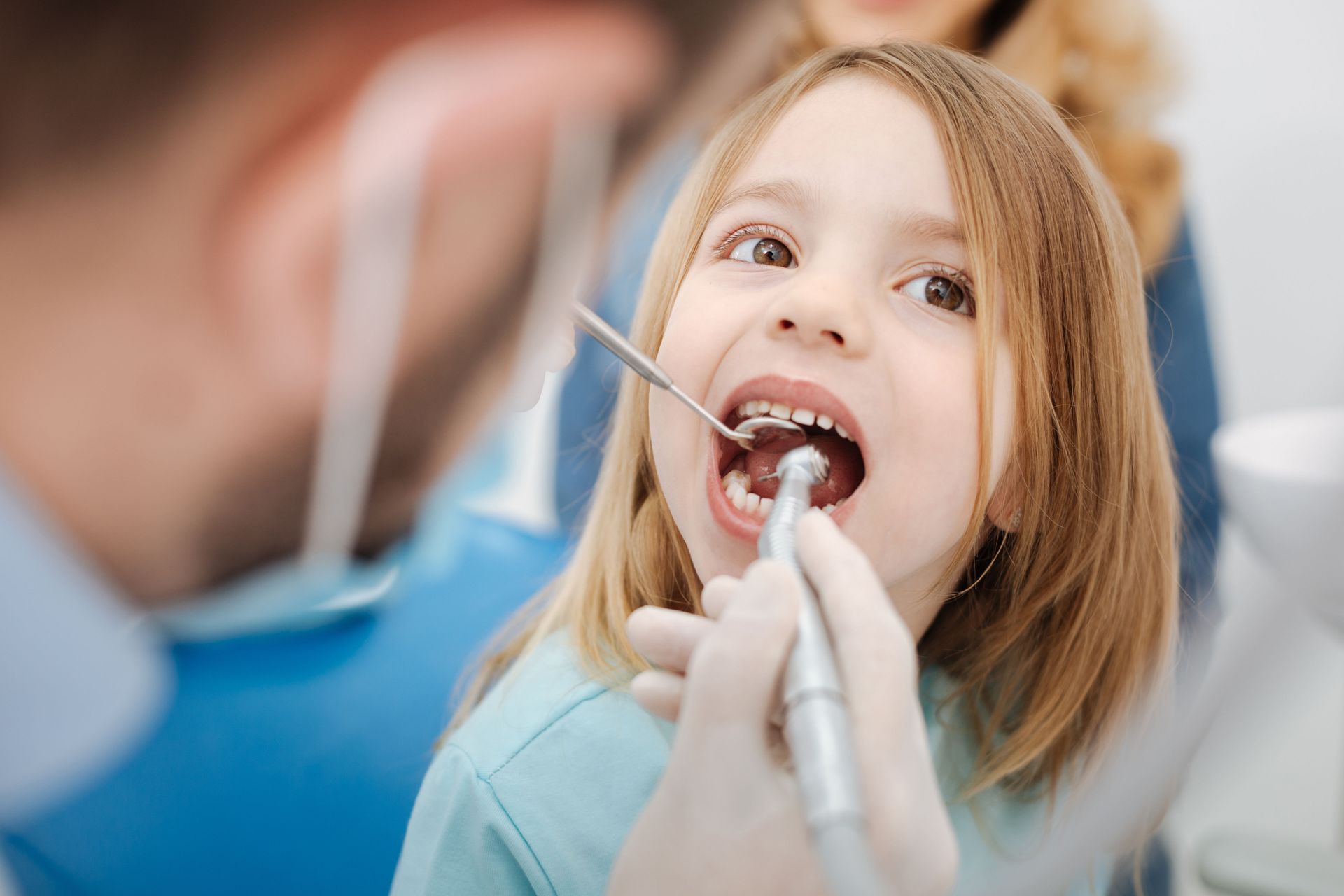
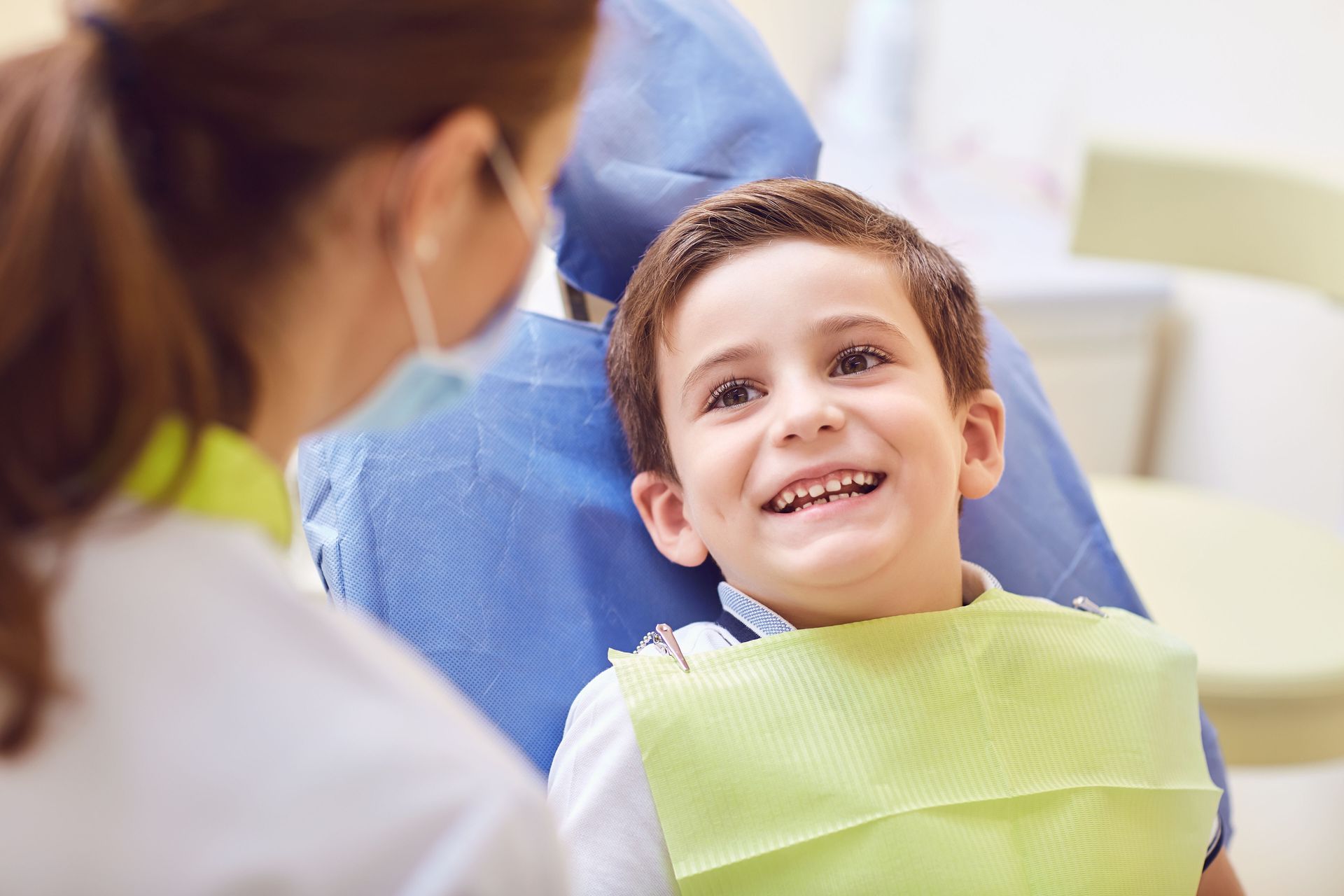
Children can feel uncertain about unfamiliar environments, especially when they involve new sounds, equipment, and procedures. Regular visits to the same dental office can help reduce some of that uncertainty by making the setting more familiar over time. A pediatric dentist can explain procedures in age-appropriate language, introduce tools gradually, and give children an opportunity to become accustomed to the routine of dental care. Positive early experiences may make future appointments easier and help children understand that dental visits are a normal part of taking care of their health.
Seeing a local pediatric dentist regularly can also help children become familiar with the same staff, office layout, and general appointment process. That consistency can be reassuring for younger patients who benefit from predictable routines. Parents may also find it easier to prepare children for visits when they know what to expect. As children grow, continued familiarity with dental care can help them become more comfortable asking questions, describing discomfort, and participating in decisions about their own oral hygiene.
Monitoring Growth and Dental Development
Children's mouths change quickly as primary teeth emerge, jaws grow, and permanent teeth begin to appear. Routine dental visits give professionals an opportunity to monitor these changes and identify concerns that may need attention. A pediatric dentist can observe tooth eruption, spacing, bite development, and other age-related changes over time. Tracking these patterns across multiple visits can provide useful information that may not be as obvious from a single appointment.
A local pediatric dentist can also help parents understand what changes are typical at different stages of childhood. Questions about loose teeth, delayed eruption, crowding, or changes in the bite can often arise as children develop. Having a consistent dental provider makes it easier to compare current findings with previous visits and determine whether additional evaluation is appropriate. Ongoing monitoring can support more informed decisions about preventive care and future treatment needs.
Supporting Preventive Dental Care Early
Preventive care is an important part of pediatric dentistry because many dental problems can begin before children experience noticeable pain. Routine examinations and cleanings allow dental professionals to look for early signs of tooth decay, gum irritation, plaque buildup, and other concerns. Dentists may also discuss fluoride, sealants, brushing techniques, and dietary habits based on the child's age and risk factors. Addressing these topics early can help families reduce avoidable dental problems and build healthier routines at home.
According to IBISWorld, the pediatric dentistry industry includes 9,061 businesses across the United States. With many pediatric dental practices available, families can look for a provider who is convenient and well-suited to their needs. Working with a local pediatric dentist can make preventive appointments easier to maintain because travel time and scheduling may be more manageable. Consistent preventive care gives families more opportunities to catch concerns early and receive guidance before small issues become more complicated.
Teaching Healthy Oral Hygiene Habits
Children often need repeated guidance before brushing and flossing become consistent habits. A pediatric dentist can show children how to clean their teeth effectively and explain why oral hygiene matters in language they can understand. Demonstrations during dental visits may reinforce the instructions parents give at home and help children improve their technique. Dentists can also point out areas that are being missed during brushing and suggest practical ways to make daily care more effective.
A local pediatric dentist can tailor these conversations as children become more independent. Younger patients may need help learning how long to brush, while older children may need reminders about flossing, sports-related mouth protection, or the effects of frequent sugary snacks and drinks. Regular reinforcement from a dental professional can help keep oral health habits relevant as a child's routine changes. These conversations can also encourage children to take more responsibility for their own dental care over time.
Addressing Dental Problems More Promptly
Children can develop dental problems for many reasons, including cavities, injuries, loose fillings, sensitivity, or issues involving developing teeth. When a child reports pain or a parent notices swelling, discoloration, or another change, having an established dental provider can make it easier to seek professional guidance. A dentist who already knows the child's dental history may be able to evaluate the concern with useful context from previous visits.
Choosing a local pediatric dentist can be especially helpful when families need a timely appointment for an unexpected problem. A nearby office may be more convenient than traveling a long distance when a child is uncomfortable or has experienced a dental injury. Prompt evaluation does not always mean extensive treatment is required, but it can help determine the cause of the problem and whether immediate care, monitoring, or a future appointment is appropriate.
Providing Care Designed for Children's Needs
Pediatric dentists focus on dental care for infants, children, and adolescents, which means they are familiar with the developmental and behavioral considerations that can affect appointments. Younger children may have difficulty sitting still, understanding instructions, or describing what they feel. A pediatric dental team can adapt the pace and style of the visit to help make care more manageable. This child-focused approach can be valuable for families who want an environment specifically designed around younger patients.
A local pediatric dentist can also provide guidance that reflects the changing needs of children as they grow. Care for a toddler with newly erupted teeth looks very different from care for a teenager with permanent teeth and more independent hygiene habits. Pediatric dental providers can adjust recommendations over time while keeping the child's dental history in one place. This continuity can make it easier for parents to understand how oral care priorities change from one stage of development to the next.
Making Family Scheduling More Convenient
Dental care is easier to maintain when appointments fit reasonably well into a family's routine. School schedules, work responsibilities, extracurricular activities, and transportation can all affect how simple or difficult it is to attend regular visits. Choosing a nearby office can reduce travel time and make it easier to plan appointments around other commitments. Convenience can be especially important for families with multiple children who may need separate visits throughout the year.
Visiting a local pediatric dentist can also make follow-up appointments easier when additional care is recommended. Parents may be more likely to keep scheduled visits when the office is accessible and familiar. Over time, that convenience can support a more consistent pattern of preventive care rather than allowing appointments to be delayed because of travel or scheduling difficulties. A nearby dental provider can become a practical part of a family's regular health care routine.
Visiting a pediatric dental provider can offer several advantages for families who want consistent, age-appropriate care for their children. Regular appointments can help children become more comfortable with dental visits, support preventive care, monitor growth and development, reinforce good hygiene habits, and make it easier to address problems when they arise. A local pediatric dentist can also provide the convenience of nearby care while offering services designed specifically for children at different stages of development. Building a relationship with a pediatric dental office can help families maintain a more organized approach to oral health and give children a familiar place to receive care as they grow. If you are looking for a pediatric dental provider for your child, contact Kids Zone Dental.